

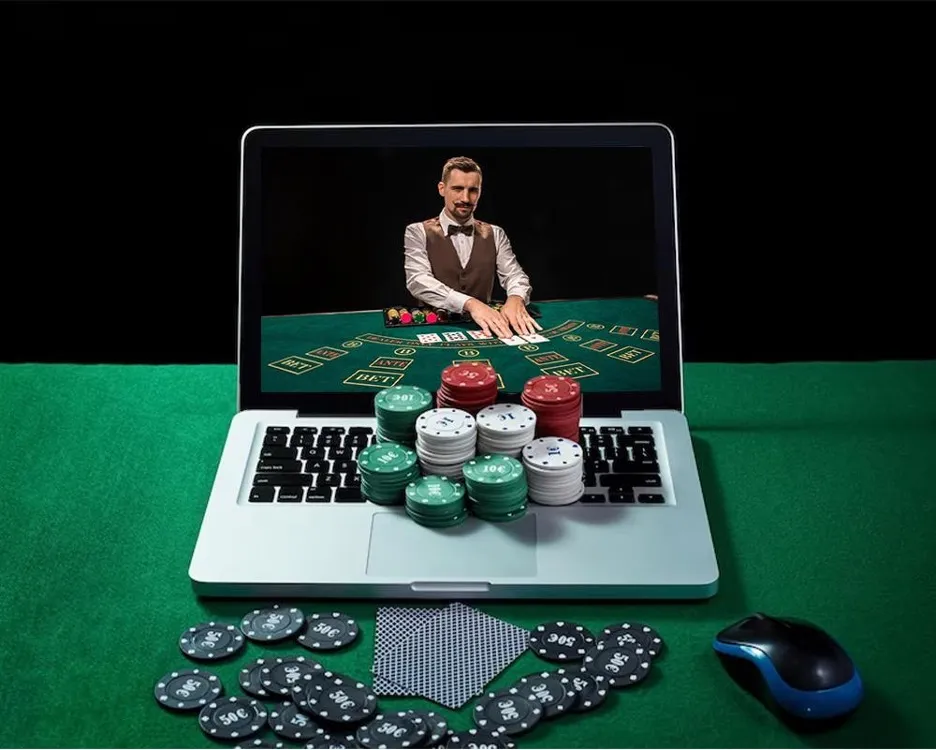
Table traffic patterns fluctuate dramatically across different time windows, affecting gameplay pace, dealer attention quality, and social dynamics. Peak periods offer vibrant atmospheres while quiet hours provide focused conditions. Evaluating session flow while using link claim free credit RM5 supports better adaptation to different game environments. Players seeking fast-paced action benefit from crowded evening tables, while those preferring deliberate play choose morning off-peak periods. Traffic patterns enables strategic timing decisions that align table environments with personal preferences and playing styles rather than joining tables randomly without considering how crowds affect the overall experience.
Evening peak dynamics
Players finish their daily responsibilities and seek entertainment between 7 PM and midnight in major markets. Popular games are often subject to waiting lists during these times. Players who thrive on communal excitement will benefit from fast-paced, high-energy games. Dealers work efficiently to accommodate volume without extensive table chat. Peak period advantages include robust side bet pools in games where collective wagering builds shared jackpots. Progressive betting features grow faster during busy periods as more players contribute to accumulating totals. The community feeling intensifies when eight players simultaneously celebrate dealer busts or commiserate over bad beats.
Morning quiet benefits
Early morning hours typically feature sparse table populations with only one to three active players per table. Dealers have bandwidth for extended conversations and patient explanation of rules or strategy questions. New players benefit enormously from this personalized attention unavailable during busy periods. The relaxed pace permits careful consideration of decisions without the time pressure from other players waiting. Quiet periods also enable closer dealer relationships to develop through extended interaction. Dealers remember regulars who consistently play during their shifts and build rapport through repeated encounters. These relationships make sessions more enjoyable through friendly recognition and casual conversation between hands.
Weekend afternoon patterns
A weekend afternoon falls between a peak and a quiet period. A typical table hosts four to six players, providing a moderate social atmosphere without overwhelming crowds. This balance suits players seeking community without chaos. Game pace remains steady without the frenetic energy of evening peaks or the slow contemplation of empty morning tables. Weekend afternoons attract diverse international players as time zone differences create global overlap. A North American player might encounter European evening players and Asian late-night participants simultaneously. This international mixing adds cultural variety to table conversations and exposes players to different playing styles and strategic approaches that homogeneous regional crowds lack during localized peak periods.
Holiday surge periods
Major holidays generate traffic spikes as players have extended free time and often receive gift funds specifically designated for entertainment spending. Christmas week, New Year periods, and summer holidays see sustained high traffic throughout the days rather than concentrated evening peaks. These extended busy periods create festival atmospheres where special promotions and bonus opportunities appear more frequently than in normal operations. Holiday traffic includes many casual players who gamble infrequently throughout regular years. This population influx changes table dynamics substantially as experienced regulars mix with novices. The skill level variation creates opportunities for knowledgeable players while requiring patience during hands where new players take extended decision times.
Optimal table joining times vary dramatically based on individual preferences for crowd levels, interaction intensity, and gameplay pace, rather than any universal best time applicable to all players. Strategic timing decisions align table environments with personal playing styles and session objectives, transforming table selection from random chance into deliberate choices that enhance overall satisfaction.

Comments are closed.