

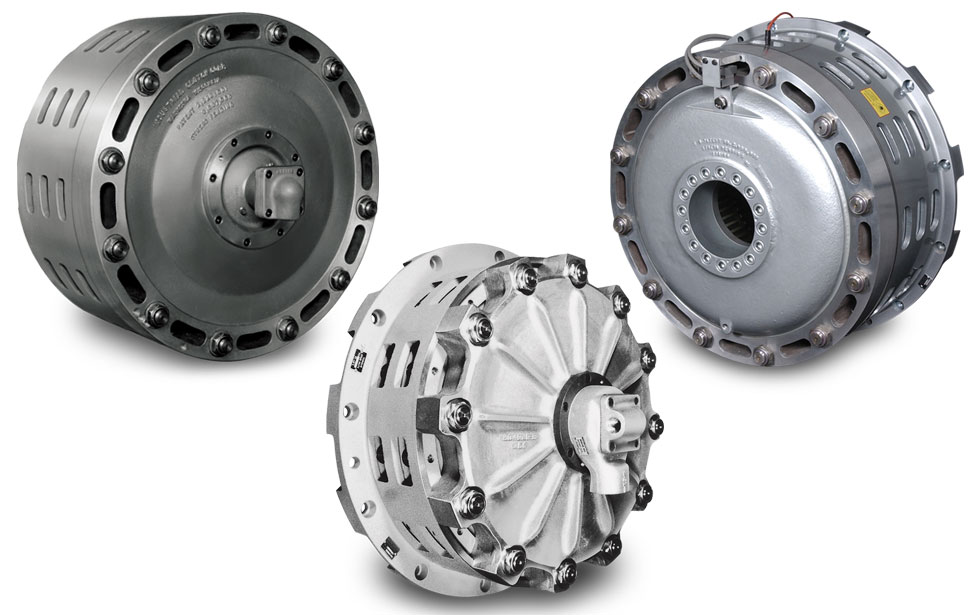
In modern industry, motion is rarely simple. Massive machines start, stop, reverse, and adjust under heavy loads, often operating nonstop in demanding environments. Behind this controlled movement is a component most people never see and rarely think about: the industrial clutch. Quietly managing torque, engagement, and power transfer, industrial clutches play a critical role in keeping manufacturing lines, processing plants, and heavy equipment running safely and efficiently.
Industrial clutches are not just scaled-up versions of the clutches found in cars. They are precision-engineered devices designed to handle extreme forces, harsh conditions, and continuous operation. Understanding how they work and why they matter offers a window into the hidden mechanics that support modern infrastructure.
What an Industrial Clutch Actually Does
At its core, a clutch connects and disconnects power between a driving source, such as a motor or engine, and a driven component, such as a gearbox, drum, or shaft. In industrial settings, this function allows machines to start smoothly, protect components from overload, and operate with greater control.
Unlike systems that run at full power all the time, clutch-equipped machinery can modulate engagement. This reduces mechanical shock, limits wear, and improves safety. In applications like conveyors, crushers, winches, and mixers, controlled engagement can mean the difference between steady operation and costly downtime.
Industrial clutches are designed to handle high torque loads, repeated cycling, and variable operating speeds. They must perform reliably even when exposed to heat, dust, moisture, and vibration.
Why Industrial Clutches Matter More Than Ever
As industrial systems grow more powerful and complex, the demands placed on components increase. Equipment must start under load, respond quickly to changing conditions, and recover from unexpected resistance without failing.
Industrial clutches act as a buffer between power and load. They absorb energy during engagement, reducing stress on motors, gearboxes, and drive shafts. This protective function extends the life of expensive equipment and lowers maintenance costs.
In safety-critical applications, clutches also provide a fail-safe mechanism. If torque exceeds safe limits, certain clutch designs can slip or disengage, preventing damage or injury.
Different Types for Different Demands
There is no single industrial clutch design that fits every application. The variety of industrial processes has led to a range of clutch types, each optimized for specific conditions.
Friction clutches use contact surfaces to transmit torque and are valued for smooth engagement and adjustability. Pneumatic and hydraulic clutches use air or fluid pressure to control engagement, allowing for remote operation and precise timing. Mechanical clutches rely on direct actuation and are often chosen for simplicity and durability.
Some clutches are designed for constant engagement with overload protection, while others are built for frequent cycling. Selecting the right type depends on load characteristics, duty cycle, environment, and control requirements.
Where Industrial Clutches Are Found
Industrial clutches operate in a wide range of sectors. In mining and aggregate processing, they manage heavy rotating equipment that must start under load. In agriculture, they support harvesting and processing machinery exposed to dust and debris. In manufacturing, they enable precise control in automated systems.
Marine, energy, and material handling industries also rely heavily on industrial clutches. Winches, cranes, pumps, and compressors all depend on reliable power transmission and controlled engagement.
In each case, the clutch must perform consistently, often with little margin for error.
Engineering for Reliability
Designing an industrial clutch involves balancing strength, responsiveness, and durability. Materials must withstand frictional heat and mechanical stress. Actuation systems must respond predictably. Tolerances must be precise to ensure even wear and stable performance.
Testing is critical. Industrial clutches are subjected to rigorous validation to confirm torque capacity, engagement behavior, and service life. Engineers simulate real-world conditions to ensure performance does not degrade unexpectedly.
This attention to detail is why high-quality industrial clutches often remain in service for years, even decades, with proper maintenance.
Maintenance and Long-Term Performance
While industrial clutches are built for durability, they are not maintenance-free. Regular inspection helps detect wear, misalignment, or contamination before these issues lead to failure.
Friction surfaces may require adjustment or replacement over time. Actuation systems need clean air or fluid to function correctly. Proper lubrication and alignment protect surrounding components and preserve efficiency.
Facilities that follow proactive maintenance schedules benefit from predictable performance and fewer unplanned shutdowns. In high-output operations, this reliability translates directly into productivity and profitability.
Integration With Modern Control Systems
As industrial automation advances, clutches are increasingly integrated into sophisticated control architectures. Sensors, programmable logic controllers, and feedback systems allow operators to monitor clutch engagement, temperature, and load in real time.
This integration supports smarter decision-making. Systems can adjust engagement parameters automatically or trigger alerts before problems escalate. In some cases, clutches are part of adaptive systems that respond dynamically to changing loads.
Modern industrial clutches are no longer passive components. They are active participants in intelligent machinery.
Choosing the Right Clutch Partner
Selecting an industrial clutch involves more than matching torque ratings. It requires understanding the application, operating environment, and long-term goals of the system. Engineers and operators benefit from working with manufacturers who offer application expertise, customization options, and ongoing support.
In demanding applications, an industrial clutch from WPT power is often chosen for its ability to combine robust construction with precise control. Such solutions are engineered to handle heavy loads while supporting smooth engagement and dependable operation over time.
The value of a well-matched clutch becomes clear when equipment performs reliably under pressure.
Why Industrial Clutches Are Often Overlooked
Despite their importance, industrial clutches rarely receive attention unless something goes wrong. When machines run smoothly, the clutch does its job quietly. When a clutch fails, the impact can be immediate and expensive.
This invisibility can lead to underinvestment or improper selection. Yet experienced operators know that a reliable clutch is foundational. It protects larger systems and enables efficient operation.
Recognizing the clutch as a strategic component rather than a commodity part changes how systems are designed and maintained.
Sustainability and Efficiency Considerations
Efficiency is an increasingly important factor in industrial operations. Clutches that engage smoothly and operate with minimal slip reduce energy losses. They also minimize wear, reducing the need for frequent replacements and conserving resources.
By extending equipment life and improving operational efficiency, industrial clutches contribute indirectly to sustainability goals. Reduced downtime and fewer component failures mean less waste and lower energy consumption across the system.
This broader impact reinforces the importance of thoughtful component selection.
Looking Ahead
Industrial machinery continues to evolve, driven by automation, digital monitoring, and higher performance expectations. Industrial clutches will evolve alongside these trends, incorporating advanced materials, smarter controls, and enhanced diagnostics.
What will not change is their essential role. Wherever heavy equipment must start, stop, and adapt under load, industrial clutches will remain critical to safe and efficient operation.
They may not attract headlines, but they power the processes that build, move, and sustain the modern world.
Conclusion
Industrial clutches are foundational to the machinery that supports industry. By controlling power transfer, protecting equipment, and enabling precise operation, they keep complex systems working reliably under demanding conditions.
From massive processing plants to automated manufacturing lines, these components quietly manage forces that would otherwise overwhelm mechanical systems. Choosing the right clutch, maintaining it properly, and integrating it thoughtfully into control systems can make a significant difference in performance and longevity.
In the end, industrial clutches remind us that the most important components are often the ones we never notice, until they stop doing their job.

Comments are closed.