

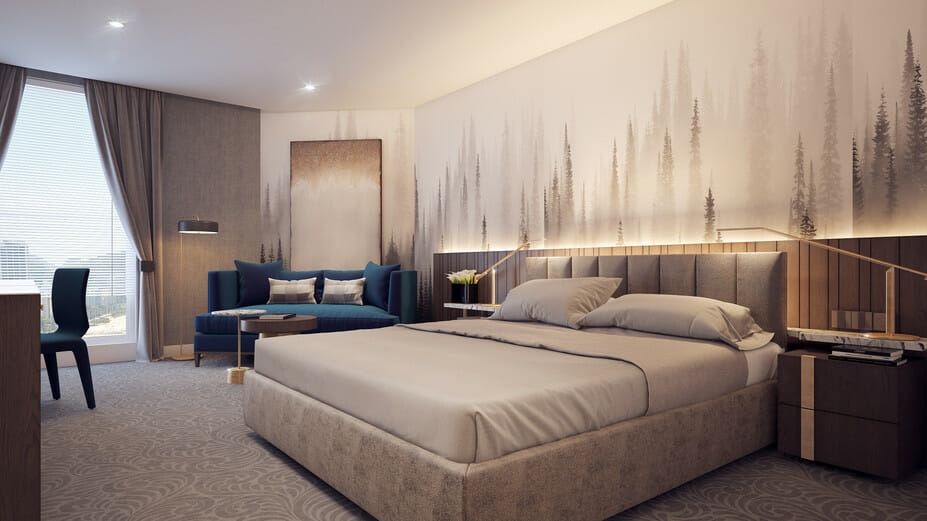
The northeast region of Thailand, known as Isaan, possesses a rich and distinct cultural identity. This character is now being artfully expressed in the architecture and interior design of many modern hotels. These properties offer a unique experience, moving beyond standard luxury to provide a genuine connection to local heritage. The design philosophy champions a fusion of contemporary comfort with traditional Isaan aesthetics, creating spaces that are both stylish and deeply rooted in place.
This design trend is particularly evident in cities that serve as gateways to the region. A well-designed hotel Nakhon Ratchasima Thailand, for example, might incorporate local materials and motifs that tell a story of the area’s history. Instead of generic international styles, guests find themselves in spaces that reflect the spirit of Isaan. This could be through the use of handwoven textiles, intricate patterns inspired by ancient pottery, or architectural forms that echo traditional village homes.
The goal is to create an environment that feels authentic and immersive. Designers draw inspiration from the Isaan way of life, its agricultural roots, and its vibrant artistic traditions. This approach results in interiors that are warm, inviting, and full of character. Elements like natural wood, locally sourced stone, and handcrafted decor are combined to build a strong sense of place, offering a quiet, sophisticated alternative to the bustling energy of other tourist destinations.
At the heart of Isaan-inspired design is a deep respect for craftsmanship. Many hotels collaborate with local artisans to produce bespoke furniture, fabrics, and decorative items. This not only supports community economies but also ensures that traditional skills are preserved and celebrated. You might see hand-thrown ceramics used as lighting fixtures or wall art made from indigo-dyed cotton, a fabric for which the region is famous. These details add layers of meaning to the guest experience, making a stay feel personal and enriching.
The architectural layout often reflects the communal nature of Isaan villages. Open, flowing spaces encourage social interaction, while private areas offer peaceful retreat. Courtyards, water features, and lush gardens are frequently used to create a connection with nature, mirroring the region’s expansive rice paddies and serene rivers. The use of natural ventilation and shaded walkways are practical design choices that respond to the local climate, enhancing comfort in a sustainable way.
Ultimately, Isaan-inspired hotel design is about creating a dialogue between the past and the present. It reinterprets cultural symbols and traditional materials for a modern audience. For visitors, this means enjoying all the comforts of a luxury stay while gaining a greater appreciation for the soul of northeastern Thailand. It’s an experience that goes beyond simple lodging, offering a true sense of discovery and connection.

Comments are closed.